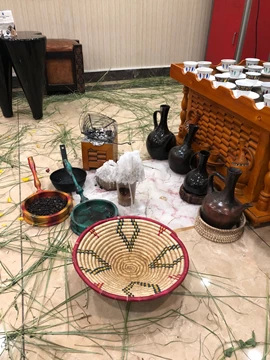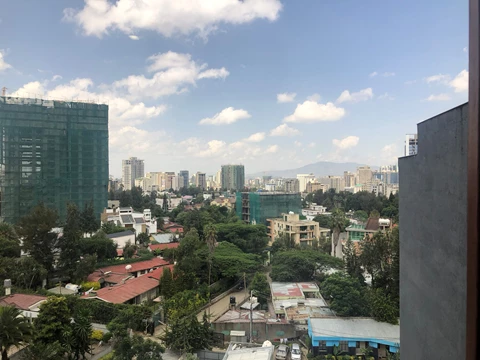
Sälam, Peace - from Addis Ababa, Ethiopia, my home since May this year. I arrived on day one to the warmth and hospitality I have now come to expect and was welcomed with a traditional coffee ceremony, giving me and my new colleagues in the HelpAge Ethiopia country office a chance to break the ice; and for me to be given my Amharic name Lukas.
If you’re unfamiliar with the programme associate position, it is an 18-month role consisting of 6-months working in the Jersey Overseas Aid office followed by a year long secondment with an international development organisation, of which 6-months are spent overseas in one of the organisation’s country offices. I am the 8th programme associate but you can read about all of our experiences both in Jersey and abroad in places like Uganda, Rwanda, Jordan and Lebanon in the JOA website’s blogs page and find out more about the specifics of the role – including the listing for the upcoming vacancy with the British Red Cross Society – here.
During my time based in London with HelpAge International’s Global Team I got a broad overview of the organisation’s function and impact across the span of its global network. I took part in advocacy initiatives and knowledge sharing, even co-hosting a webinar alongside representatives from the Global Initiative on Loneliness and Connection (GILC) to amplify the voices of practitioners working in Lower and Middle Income Countries to tackle loneliness through a variety of strategies. You can read more about my time with the Global Team and learn about HelpAge International’s strategy to be a global leader in locally-led development here.
Now that I am here at HelpAge Ethiopia, my experience is completely different. Here I have a much closer view of the ‘programme’ side of working in this sector. This means the implementation of development projects, what you might think of when you picture overseas aid and development – think education, health or conservation interventions. This is in comparison to the more abstract (but equally important) advocacy and influencing work that helps to attract funding and create a conducive policy environment for the projects themselves to be successful and sustainable.
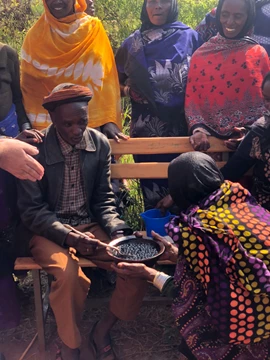
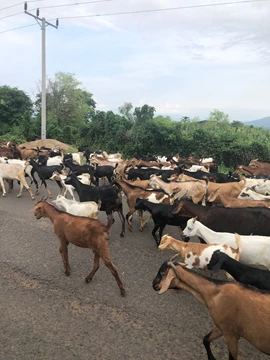
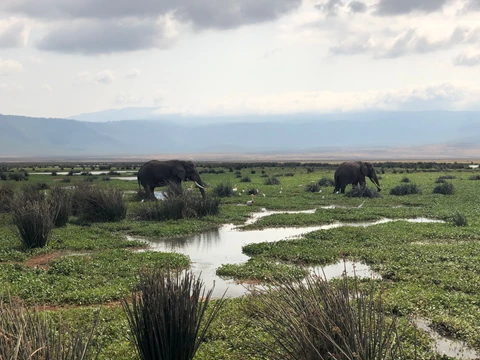
In my first month I took part in a project visit to Borena, a district in the Southern part of Ethiopia’s Oromia region where a large proportion of Ethiopia’s pastoralist population live and graze their cattle. Here I met with drought affected pastoralist communities being supported by a number of initiatives to help build their resilience to climate shocks after five years of consecutive failed rainy seasons caused the deaths of millions of cattle, posing an existential risk to a way of life which is 1000s of years old. The project aims to support these communities with a combination of income generating activities - soap-making, livestock rearing and beekeeping - combined with the use of satellite imagery to determine where the best grazing lands are and provide the most up to date information to the nomadic herders, helping them to decide when and where to move their cattle. This was a great experience not only because it gave me a chance to see more of the beauty Ethiopia’s landscapes have to offer, but also because it gave me a much deeper understanding of a project which I knew before only from reports and meetings. Getting to talk to the community members themselves and hear their perspectives about the challenges they face and what our projects mean to them gave me a much richer understanding of what we are doing and was just an all round lovely experience.
When I'm back in the office my main responsibilities are to support on proposal development and donor scoping. Funding for development projects is often offered through a structured system whereby donors have regular calls for project proposals and themes which they wish to target their funding towards, this is how JOA International Development Grants work and you can find out more about JOA's process here. Many donors also offer unsolicited funding calls, these remain open all year round and are usually accompanied by detailed guidelines about the impact the donor wishes to make. Being here in the country office I have gained a clearer picture of how operations are constrained and enabled by global trends in humanitarian and development funding and supporting efforts to mobilise this funding and win grants has been a great learning experience for me.
Outside of work I have been enjoying living here in Addis, taking advantage of the delicious and eclectic vegan food that is so widely available thanks to the religious practice of fasting - abstaining from all animal products - every Wednesday and Friday, though I don’t follow this by enjoying raw beef on non-fast days as most Ethiopians do. I’ve enjoyed Ethiopian Jazz clubs and even got a private viewing of a short film directed by my friend and neighbour that was featured in Cannes film festival this year.