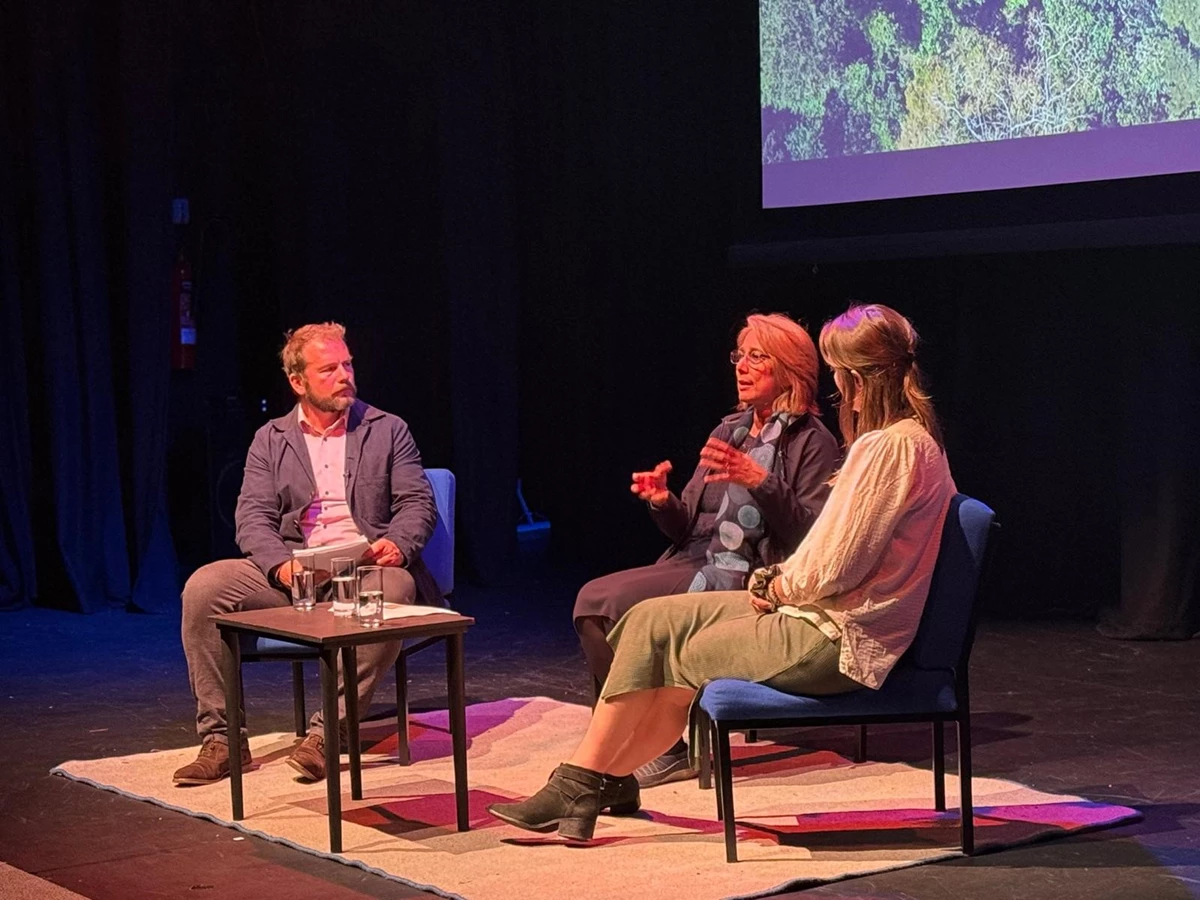
I'm thrilled to share the highlights of JOA's second JDIN event of the year. The "Fishing, Forestry, and Climate Friendly Futures" event provided deep insights into the pressing issues of climate change and multidimensional poverty. However, what truly resonated with me was the profound impact JOA achieves through its international development grants. This aspect of our work often flies under the radar, overshadowed by our more publicised volunteer outreach efforts. The event highlighted the significance of financial support in driving sustainable development and importance of these often-overlooked contributions.
The 1 key Takeaway from the Event
Before I delve into the incredible work that both RSPB and Durrell are doing in Sierra Leone and Madagascar, I want to bring to the forefront a key theme that emerged during these talks. It became crystal clear that the success and longevity of these projects hinge on community-led approaches. Empowering local communities to manage and implement these projects, through programme officers or educational initiatives, has been crucial. This community involvement ensures that the projects are not only effective but also sustainable.
Durrell: Beyond Protecting Ecosystems and Endangered Species
Ellie Harvey, the Field Programmes Manager at Durrell's UK office gave a highly engaging presentation on their, Conservation Livelihoods VALIHA programme in Madagascar. While I, like many others, have always associated Durrell with rewilding efforts for endangered species and biodiversity conservation, I was previously unaware of their significant programmes addressing multidimensional poverty.
Ellie emphasised the interconnected relationship between poverty and environmental degradation and presented some shocking statistics, such as - 80% of Madagascar's population are currently living below the poverty line of $2 a day. She went on to explain how poverty and subsequent food insecurity drives harmful income-generating activities including the likes of like logging, bushmeat hunting, and forest clearance for farming.
An eye-opening animation of an infographic unfolded above Ellie, revealing a time-lapse depiction of the staggering amount of forest cleared due to illicit deforestation practices. The map concluded with a stark revelation: a shocking 90% of the country's original forests have been lost to date. This loss has profoundly impacted Madagascar's landscape, particularly affecting the local hydrological cycle and topography. Consequently, it has been found that the repercussions have had a dire effect on local communities, manifesting in reduced farmable land and water retention rates, thereby jeopardising food security. The audience witnessed firsthand the distressing downward spiral caused by these destructive actions.

