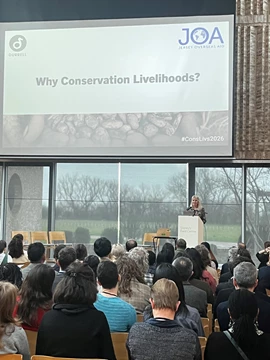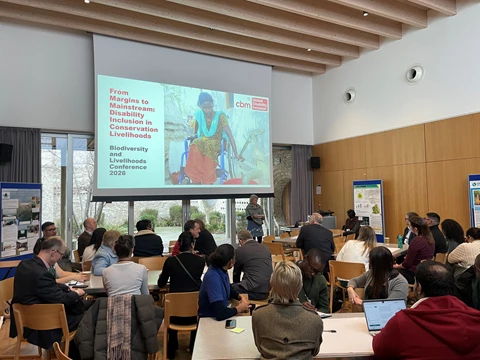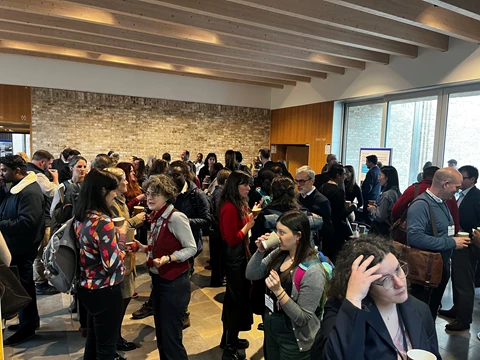

More than 130 delegates from over 19 countries gathered last week in Cambridge for a two‑day conference co‑hosted by JOA and the Durrell Wildlife Conservation Trust. The event, Biodiversity and Livelihoods: A Shared Investment in the Future, brought together conservationists, development practitioners, researchers, and donors from across Africa, Asia, the Caribbean, and Europe.
The conference explored how protecting biodiversity and strengthening livelihoods can go hand in hand - creating benefits for both people and nature.
“Protecting biodiversity and reducing poverty are not competing goals.”
Opening the conference, Deputy Carolyn Labey, Minister for International Development and Chair of the Jersey Overseas Aid Commission, emphasised the importance of integrated approaches:
“Protecting biodiversity and reducing poverty are not competing goals. When communities are supported with nature‑friendly livelihoods and access to finance, biodiversity is better protected and economic resilience is stronger.”
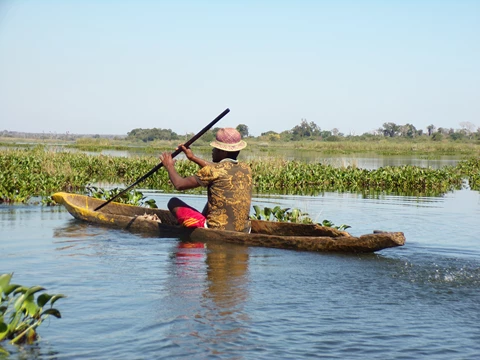
Throughout the agenda of workshops, panels, and presentations, participants shared examples of communities restoring ecosystems, protecting wildlife, and improving food security and incomes, even in the face of growing climate pressures.
People and Nature Thriving Together
Speakers highlighted innovative partnerships and community-led approaches that are achieving tangible conservation and development outcomes.
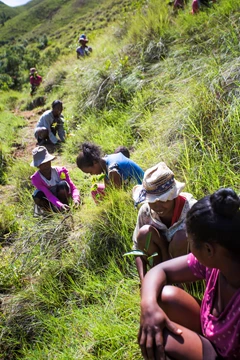
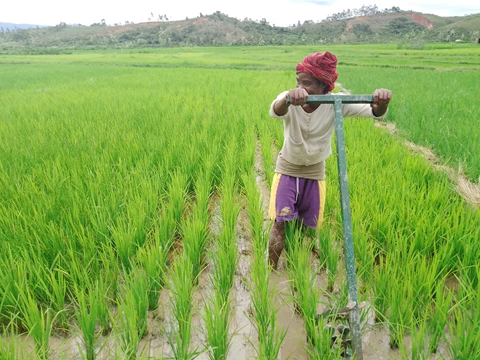
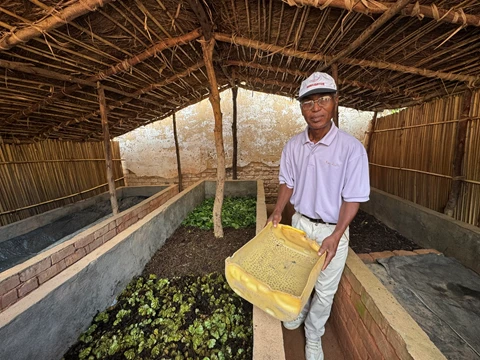
Brinah Razafiharimiando, Durrell’s Community Conservation Coordinator, shared how community driven restoration initiatives in Madagascar, delivered in partnership with JOA are strengthening both livelihoods and ecosystems:
“Members of Durrell supported savings groups are now choosing to use some of their savings to support conservation activities. Members have said they feel accountable to nature because they develop economic activities that make use of natural resources such as basket weaving and fishing.”
A dedicated half-day focused on how financial inclusion, access to capital, and business partnerships can reduce pressure on fragile ecosystems.
Opening this session, Gillian Challinor, Head of Programme at JOA, noted:
“Biodiversity loss is often driven not by a lack of motivation to conserve nature, but by structural constraints such as limited access to capital, weak risk‑management tools and exposure to climate and economic shocks.”
Partner Reflections
Many participants highlighted the importance of collaboration and shared learning:
Mike Annison (RSPB):
“JOA punches well above its weight. At a time when many governments are turning inward, JOA is bringing together partners from around the world and reinforcing vital work in communities that desperately need these interventions.”
“Events like this aren’t talk shops - they lead to real partnerships. Our collaboration with Renewable World began at a previous gathering like this and has since grown into a major programme supported by the Darwin Initiative.”
Cerina Wheatland (The Challenges Group):
“If we want to tackle issues like deforestation or overfishing, we need to better understand the economic realities and incentives driving those decisions.”
Dr. Daniela Lloyd Williams:
“Impact grows when we listen and learn from one another and we learn better and faster when we come together.”
Matthew Whitehead (Renewable World):
“The event was packed with bold ideas and energising debate, pushing us to think harder about what truly delivers long-term impact.”
Conservation Livelihoods: One of JOA’s Core Programmes
JOA’s Conservation Livelihoods programme promotes sustainable relationships between people and nature across JOA’s priority countries. The partnership between JOA and Durrell elevates this work internationally, combining JOA’s development expertise with Durrell’s evidence‑based conservation approach.
Closing the conference, Chris Ransom, Durrell’s Director of Field Programmes, reflected on the momentum:
“This is the third Durrell‑JOA conservation livelihoods conference we have jointly hosted, and I think we can all agree it’s gone from strength to strength. Conservation livelihoods are about finding ways to enable nature‑dependent communities and nature to thrive together, and this is central to Durrell’s mission.”
“We are proud to be bringing together these diverse organisations to share experiences, learn from each other and develop new partnerships and collaborations to further this agenda and drive meaningful change.”
Looking Ahead
A consistent message emerged across the two days: sustainable conservation is only possible when communities have decision‑making power, access to inclusive financial systems, and viable nature‑friendly livelihood options.
Deputy Labey highlighted the importance of centring local experience:
“If we want conservation to work, we have to listen to the people living with the daily realities of environmental change.”
Learning from the event will directly inform JOA’s design and evaluation of future conservation livelihood programmes, with a continued focus on evidence, inclusion, and cross‑sector collaboration.
“Jersey may be small, but through Jersey Overseas Aid and our partnership with Durrell, this conference showed the incredible impact our island has. Islanders should be proud of how these two days brought people together to find better ways to protect nature while supporting communities.”
Deputy Carolyn Labey
To access post‑conference learning materials please use the following link to the Conservation Livelihoods Conference website.
Why Cambridge?
The conference was held in Cambridge to ensure accessibility, affordability, and strong connections to leading conservation research. The city is home to the Cambridge Conservation Initiative, a global hub for conservation organisations and academic partners.