Inka Nziza Zikamwa - Building Sustainable Dairy-Based Livelihoods for Smallholder Farmers

The Inka Nziza Zikamwa project is a three‑year integrated food security, nutrition, income, and water access initiative implemented by Ripple Effect in Rwanda. The project supported smallholder farming households to build sustainable livelihoods through improved dairy production, diversified agriculture, access to clean water, and strengthened community capacity. By strengthening farmer skills, community systems, and local infrastructure, the project addressed chronic food insecurity, low incomes, and poor animal productivity.
15 May 2026 | Nicole McPhail
  • Location

    Rwanda - Rulindo, Nyanza, Nyaruguru, Rwamagana, Kayonza and Ngoma Districts

  • Project title
  • Inka Nziza Zikamwa (Phase 1)
  • Project partners
  • Ripple Effect and Ripple Effect Rwanda
  • Implementation period
  • 2021 - 2024
  • Total project budget
  • £1,708,147

Project aims 

This project aimed to enable 12,000 Rwandan smallholder farmers to establish sustainable livelihoods by improving their nutritional status and increasing their income through enhanced dairy production. The project worked to create a sustainable cycle of improved animal management, milk production, and income generation while ensuring food security and dietary diversity for vulnerable farming families across six districts.

  • Key facts and figures

    • Dairy and agriculture training

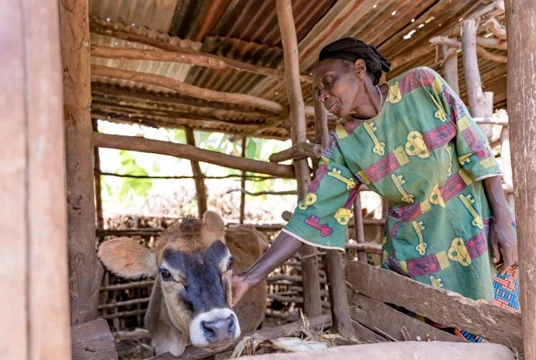
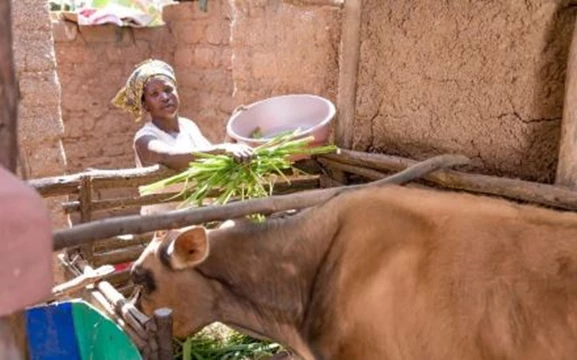
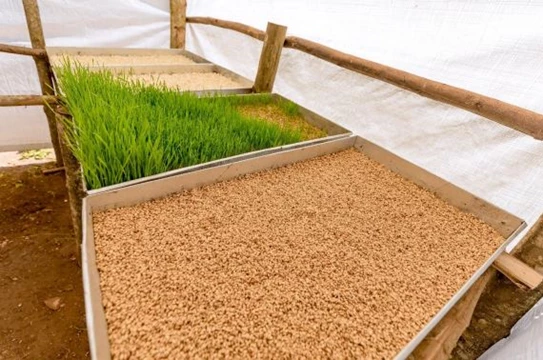
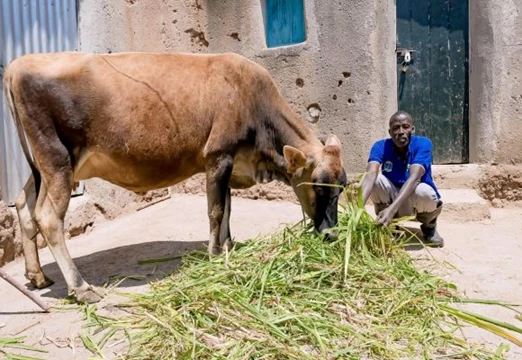
      13,431 community members trained in improved animal management practices including heat detection, cow breeding, calf rearing, and hydroponic fodder production.

    • Water infrastructure

      12 water sources rehabilitated and water supply systems extended, benefiting 89,590 people with access to clean water for both human consumption and livestock.

    • Milk collection infrastructure established

      7 Milk collection cooperatives across 6 districts equipped with solar powered milk coolers, milk cans, testing kits, and work gear to support quality milk collection and sales.

    • Capacity building

      480 volunteer peer farmer trainers and community animal health workers trained to cascade knowledge to project participants, with 101 extension workers receiving specialised training in pregnancy diagnostics.

What was the problem the project set out to address?

Smallholder farmers in rural Rwanda face severe challenges related to food insecurity, poor nutrition, and limited income opportunities. Traditional farming practices result in low dairy productivity, with average milk yields insufficient to meet household consumption needs or generate meaningful income. Poor animal management practices lead to long calving intervals (over 450 days), reducing the productivity of dairy herds.

At baseline, only 40% of Self Help Group members and 51% of Community Group members are food secure or mildly food insecure, with many families experiencing extended hunger periods averaging 2–3 months per year. Dietary diversity is limited, with only a small percentage of families consuming at least four different food types regularly. Average daily income falls well below the international poverty line of $1.90 for the majority of households.

Access to clean water is limited, affecting both human health and livestock welfare. Waterborne diseases increase veterinary costs and reduce working hours for families, further constraining household income. The lack of proper milk collection infrastructure means that farmers have limited markets for their milk, and quality issues result in high rejection rates at collection points.

Over three years, the project sets out to break this cycle of low productivity and poverty by improving dairy farming practices, establishing milk collection infrastructure, enhancing household nutrition through sustainable agriculture, and building the capacity of community volunteers to provide ongoing support beyond the project's end.

What did the project do to address this?

  • Integrated approach: Combined improved animal management, infrastructure development, and capacity building to support 12,000 smallholder families.
  • Training network: Established 240 peer farmer trainers and 240 animal health workers delivering ongoing, localised support.
    • 101 extension workers trained, including 94 in pregnancy diagnostics to expand veterinary services.
  • Skills development: Reached 13,431 community members with training on:
    • Heat detection and breeding (9,312 participants)
    • Calf rearing (514 farmers)
    • Hydroponic fodder production (900 farmers)
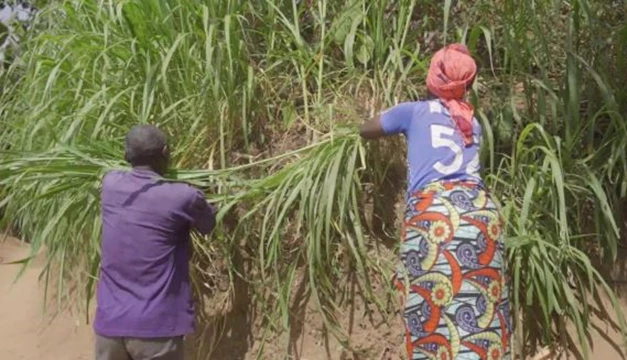
    • 90 fodder sites established for year-round feed availability
  • Water access:
    • Rehabilitated 10 water sources and extended 2 supply systems
    • Benefited 89,590 people, reducing disease and veterinary costs
  • Market and income support:
    • Equipped milk collection cooperatives with cooling, testing, and storage equipment
    • Improved milk quality, reducing rejection rates and increasing income
  • Financial inclusion:
    • Strengthened 300 savings groups, accumulating 20.2M RWF
    • Trained 47 leaders in financial management to support credit access and income diversification
  • Overall impact: Improved food security, incomes, and long-term sustainability of dairy farming systems.
    • Behaviour change

      The project drove behaviour change through regular, personalised support from peer trainers and animal health workers, helping farmers adopt improved practices and see clear benefits.

    • Realisation of the benefits of improved dairy farming

      An evaluation of 637 households showed major gains in wellbeing, with food security rising to 94.3% and remaining stable even during dry seasons due to improved practices and ongoing support.

Conclusion

The Inka Nziza Zikamwa project demonstrates that sustainable dairy development requires simultaneously improving animal management, establishing market infrastructure, and building community capacity. External evaluation found that the integrated approach brought significant health, economic, and nutritional benefits to participating households.

Many of the project's targets were exceeded, with food security reaching 94.3% (target 75-50%), average daily income achieving 91.8% above the poverty line (target 60-55%), and 56% of farmers selling 2,000+ litres per cow annually (target 50%). The average calving interval of 405 days surpassed the 450-day target, indicating improved reproductive efficiency and dairy productivity.

The establishment of 480 trained volunteer peer farmer trainers and community animal health workers, supported by 101 extension workers, ensures continued adoption of improved practices beyond the project's end. With milk collection infrastructure in place, active savings groups supporting financial stability, and communities demonstrating sustained commitment to improved animal management, the foundation has been laid for long-term livelihood transformation in Rwanda's smallholder dairy sector.